
Categories
- Billy Bladez Custom Conjure Ancient Civilizations
- Billy Bladez Custom Conjure Extraterrestrials
- Billy Bladez Custom Conjure Multi-Dimensionals
- Billy Bladez Custom Conjure Orphans
- Billy Bladez Custom Conjure Pre-Historics
- Billy Bladez Custom Conjure Spirits for the Youngsters
- Billy Bladez Custom Conjure Totem Animals
- Billy Bladez Custom Conjure Yokai
- Billy Bladez Custom Conjured Angels
- Billy Bladez Custom Conjured Black Arts Companions
- Billy Bladez Custom Conjured Creatures
- Billy Bladez Custom Conjured Demons
- Billy Bladez Custom Conjured Djinn
- Billy Bladez Custom Conjured Dragons
- Billy Bladez Custom Conjured Elementals
- Billy Bladez Custom Conjured Elves
- Billy Bladez Custom Conjured Fae
- Billy Bladez Custom Conjured Gifted Humans
- Billy Bladez Custom Conjured Mer-Folk and Sea and Water Spirits
- Billy Bladez Custom Conjured Non-Categorized Spirit Listings
- Billy Bladez Custom Conjured Portals to the Immortals
- Billy Bladez Custom Conjured Sexual Spirits
- Billy Bladez Custom Conjured Vampires
- Billy Bladez Custom Conjured Were-Creatures,Shifters and Hybrids
- Billy Bladez Exclusive Spirit Conjures
- Billy Bladez Multi Spirit Special Custom Listings
- Billy Bladez Pre-Conjured Black Arts Beings/Pics Included
- Billy Bladez Pre-Conjured WA/DA Companions w/ Pic Included
- Billy Bladez Pre-Done Astral Landscapes
- Billy Bladez Reiki Healing Services
- Billy Bladez Resellers Listings
- Billy Bladez Samhain/Halloween Conjures
- Billy Bladez Spirit Keeping Education Center & Resources
- Billy Bladez Spirit order Add-On Listings and Readings
- Billy Bladez Triad Spirit Listing
- Custom Conjures by Archelone AKA The Grey Mage
- Hand-Crafted Spelled Spirit Charging/Offering boxes
- Hecate's Mystical Boutique
- Pre-Conjure Reviews
- Spirit Add-Ons
- Support the Circle
- Tarot Readings by Moon Walker Master Tarot Reader
- The Complete Beginners Guide To Spirit Keeping by Billy Bladez
- Featured Products ...
- All Products ...
New Products [more]

Elemental Reverse Adoption
Sale: $10.00
Save: 94% off

Earth Elemental Gnome
Sale: $10.00
Save: 94% off

Dragon Reverse Adoption
Sale: $10.00
Save: 94% off
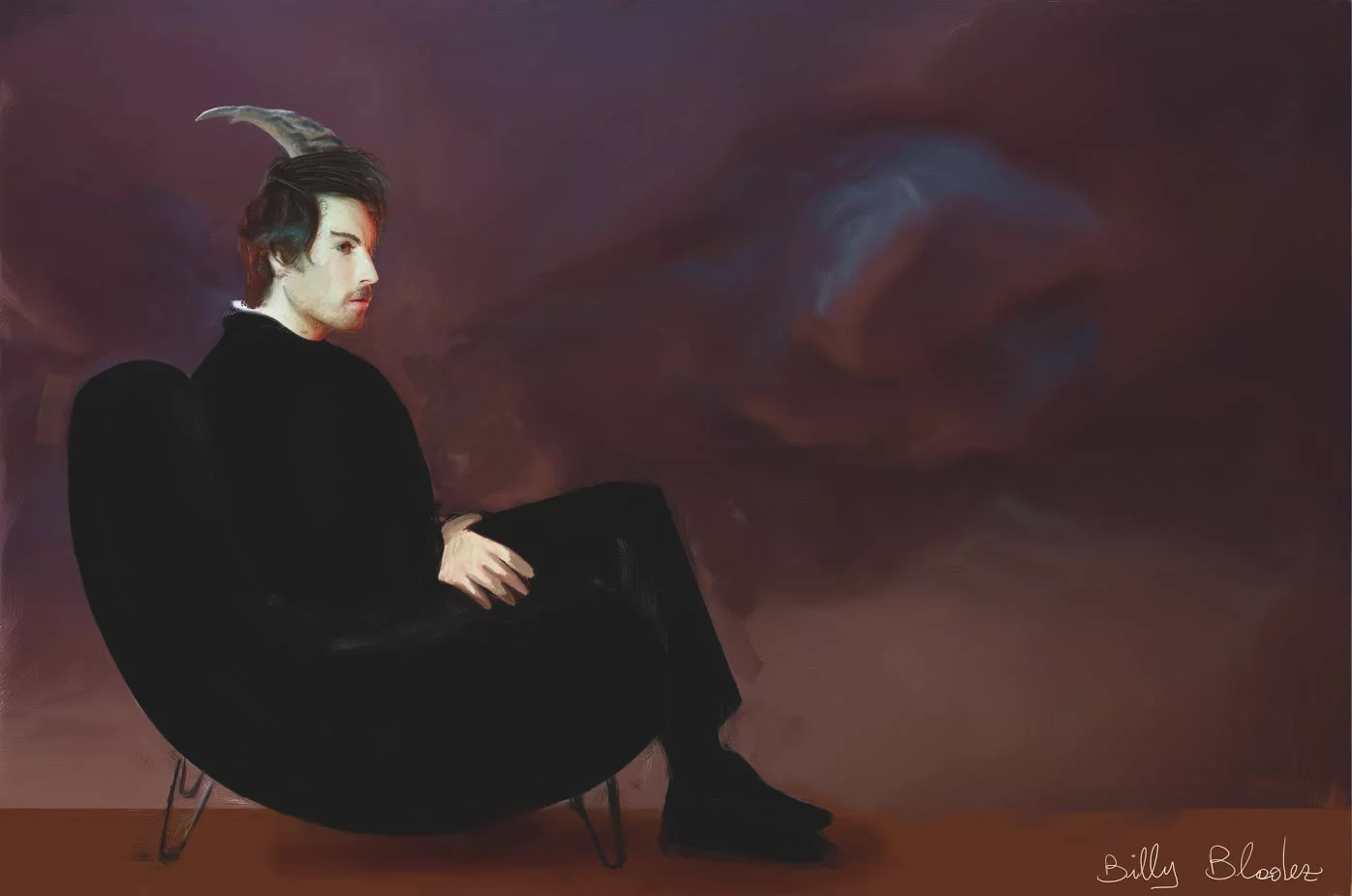

Featured [more]
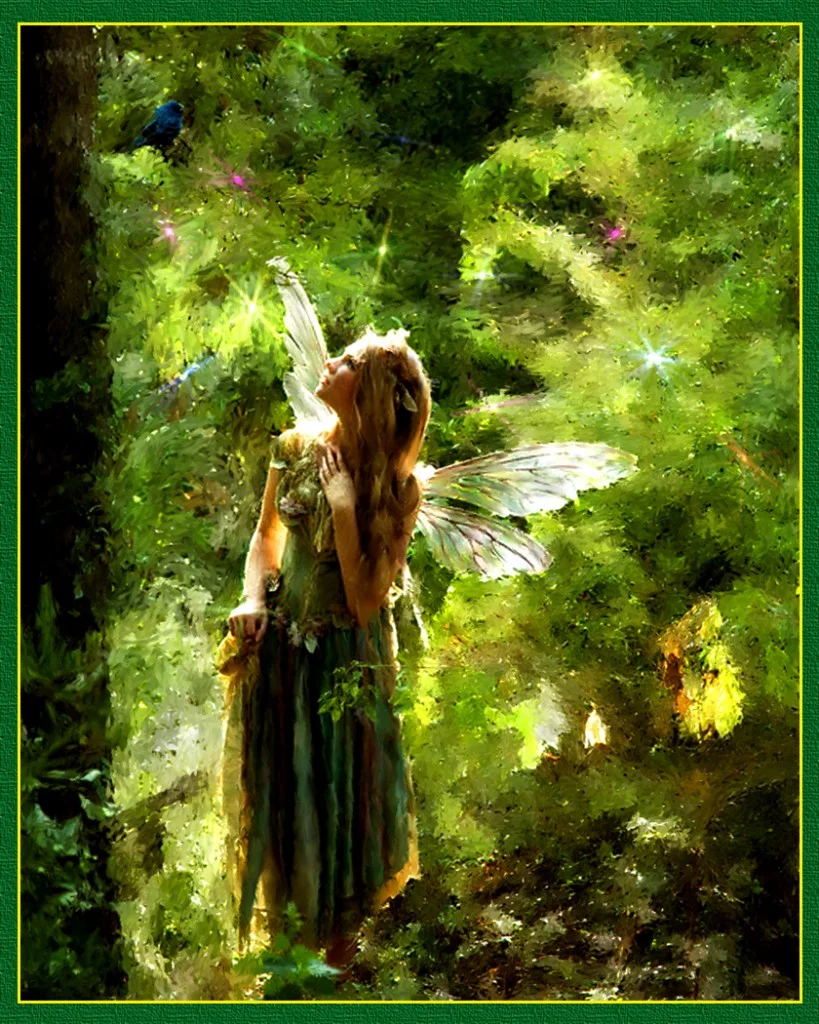
Custom Conjure WA Cowslip Fae
Sale: $10.00
Save: 94% off

DA Demonic Reverse Adoption by Billy Bladez
Sale: $10.00
Save: 94% off
Spirit Binding Versus Invocation Explained

A candle is lit, a name is spoken, and a presence is invited near. What happens next depends on your intention. In spirit binding versus invocation, the difference is not simply terminology. It shapes the kind of relationship, ritual responsibility, energetic boundaries, and ongoing practice you are choosing.
For spirit keepers, witches, and curious newcomers alike, this distinction can clear away a great deal of confusion. One practice centers on a lasting, consent-based connection with a specific spiritual companion. The other is usually a temporary call made for a ritual, petition, lesson, or focused magical purpose. Neither is automatically more advanced. Each has its own place at the altar.
What Is Spirit Binding?
Spirit binding is an energetic connection between a spirit and an anchor, often a vessel, a person, or both. In ethical spirit-keeping practice, the binding is not a cage, command, or forced containment. It is a consensual bridge that makes it easier for a companion and a keeper to recognize one another, communicate, and share space over time.
A properly performed binding is often created through a conjuration process. The conjuror identifies, calls, and carefully screens a willing being whose nature, preferences, and energy align with the keeper's path. This matters because a spirit companion is not a decorative idea or a one-night ritual accessory. It is a relationship that deserves respect, patience, boundaries, and room to develop.
The vessel can be a ring, pendant, stone, or other consecrated object. Some keepers prefer the reassurance of a physical vessel they can carry, place on an altar, or hold during meditation. Others request a direct binding to their spirit, especially when they feel ready for a more intimate energetic connection. There is no universal best choice. A vessel may support focus for a beginner, while a direct binding may feel more natural for an experienced keeper who already has strong grounding practices.
What a binding can support
A spiritual companion may be sought for protection, emotional encouragement, dreamwork, psychic development, magical study, prosperity work, healing support, or simple companionship. The relationship is personal, so the results and sensations vary. One keeper may receive symbolic dreams or sudden intuitive nudges. Another may notice a calmer ritual atmosphere, meaningful synchronicities, or a gradual shift in confidence.
The key word is gradual. Spirit keeping is rarely about demanding spectacular proof on command. It is built through offerings, conversation, meditation, shared routines, gratitude, and attention. Like any meaningful connection, it gains depth through consistency.
What Is Invocation?
Invocation is the intentional act of calling a spiritual presence, force, deity, ancestor, guide, or archetypal current into a ritual space or into closer awareness. It may be as simple as a spoken prayer before divination or as formal as a structured rite involving symbols, incense, offerings, protective wards, and a carefully chosen timing.
Unlike spirit binding, invocation is usually purpose-led and temporary. You call upon a presence for the duration of a working, receive whatever insight or energetic assistance is appropriate, offer thanks, and close the ritual. The relationship may be recurring, especially when a practitioner works regularly with a deity or ancestral line, but there is not necessarily a binding involved.
Invocation can be devotional, magical, contemplative, or ceremonial. A practitioner may invoke an ancestral protector before a major life decision, call a solar current into a confidence ritual, or invite a trusted spiritual ally to stand watch during shadow work. The method depends on tradition, personal practice, and the nature of the being or energy being approached.
Invocation requires clear ritual boundaries
A thoughtful invocation begins before the first word is spoken. Grounding, cleansing, warding, and stating a clear purpose help establish the conditions of the ritual. Just as important is the closing: give thanks, release the presence respectfully, clear the space, and return fully to your own center.
A rushed opening can leave a beginner feeling scattered, while a rushed closing can turn an otherwise beautiful ritual into an energetically muddy experience. If you are new to invocation, keep the first workings simple. Work with presences you understand within your path, avoid dramatic demands, and keep a journal of what you felt, dreamed, and observed afterward.
Spirit Binding Versus Invocation: The Core Difference
The clearest distinction is duration and relationship. A spirit binding establishes an ongoing point of connection with a specific willing companion. Invocation creates a temporary ritual contact for a defined purpose.
Binding is relational. You may greet your companion each morning, maintain their vessel, offer a candle or incense they enjoy, invite them into meditation, and learn their particular communication style over weeks or months. Invocation is situational. You prepare sacred space, call a presence with respect, complete the work, and formally close the encounter.
The practices can overlap without being interchangeable. A spirit keeper might invoke a companion before a protective ritual, asking them to join the working more intentionally. But the invocation does not create the bond. The existing binding and relationship do. Likewise, an evocative ritual experience does not automatically mean a spirit has agreed to become a long-term companion.
When a Binding May Be the Better Path
A binding may suit you when you are drawn to sustained companionship rather than a single request. Perhaps you want an ally whose energy complements long-term goals around protection, emotional resilience, magical confidence, or psychic awareness. Perhaps you want to cultivate a spiritual household and are prepared to make regular care part of your practice.
It can also be the gentler route for people who struggle to sense energy during formal ritual. Rather than trying to create a powerful moment on demand, you can build familiarity in small ways. Keep a journal beside the bed. Spend five quiet minutes holding the vessel. Speak aloud while making tea or tending your altar. Repetition helps your senses recognize a companion's subtle signature.
Still, do not seek a binding only because you want instant answers, constant manifestations, or someone else to do your spiritual work. A companion can encourage and support you, but your discernment, choices, and practical action remain yours.
When Invocation May Be the Better Path
Invocation may be more fitting when your need is immediate, ritual-specific, or devotional. You may be preparing a protection rite after a difficult week, seeking clarity before a tarot reading, or honoring a seasonal observance. In these moments, a well-defined invitation can be powerful without requiring a permanent energetic commitment.
It also gives you a way to learn how different currents feel. You can approach a deity, ancestor, elemental force, or trusted guide respectfully, observe the experience, and reflect afterward. This is especially useful for practitioners who are still discovering their magical language and do not yet know what kind of companion relationship they want.
The trade-off is that invocation demands solid ritual hygiene. If your boundaries are inconsistent, your intentions vague, or your practice fueled by fear, slow down. Strengthen your grounding and protection work before attempting more intense calls.
Consent, Discernment, and Ethical Practice
Consent belongs at the center of spirit work. A genuine spiritual companion is not an employee, weapon, or status symbol. They have their own nature, boundaries, and agency. Ethical conjuration respects that reality, and ethical keepers do as well.
Discernment matters just as much. Not every passing emotion is a message, not every coincidence is a sign, and not every uncomfortable sensation indicates spiritual interference. Check the ordinary first: rest, hydration, stress, relationships, and mental well-being all affect perception. Keep notes rather than rushing to conclusions. Patterns are more useful than isolated moments.
Be wary of fear-based spiritual claims that insist you must buy, bind, invoke, or perform something immediately to avoid catastrophe. A trustworthy path makes room for informed choice. At The Pagan Shop Online, personalized matching and practitioner-led conjuration can help seekers approach companionship with clearer intentions rather than impulse alone.
Building a Practice That Fits You
You do not have to choose one practice forever. Many seasoned practitioners maintain cherished spirit companionships while using invocation for ritual occasions, devotion, and specialized magical work. The question is not which practice is more powerful. Ask what kind of connection you are genuinely prepared to tend.
If you choose binding, begin with hospitality. Create a simple welcome space, learn the companion's preferences if they are known, and set realistic communication expectations. If you choose invocation, begin with structure. State who you are calling, why you are calling them, what boundaries apply, and how you will close the rite.
Let your practice become more precise as your experience grows. A respectful invitation, a clear boundary, and a sincere offering will carry more spiritual weight than theatrical intensity ever could.

Important Links
- Spirit Companion Codex
- The PaganShopOnline.com's Circle of Conjurors
- The PaganShopOnline.com's FAQ's
- Transparency in Spirit Conjuring: Ethics, AI and Integrity
- Spirit Matching Quiz ( Help Find the Best Beings for You)
- Pagan Shop Online Chatroom
- The Pagan Shop Online Forum
- ThePaganShopOnline's Blog
- The Conjuror’s Eye: An Exclusive Pagan Shop Experience
- The Conjuror's Deck: An Exclusive Pagan Shop Experience
- The Conjurors Insight: An Exlusive Pagan Shop Experience
- The Conjuror's Oracle: An Exclusive Pagan Shop Experience
- The Conjuror's Board: An Exclusive Pagan Shop Experience
- The Conjuror's Numerology Matrix An Exclusive PS Experience
- The Conjuror's Stones An Exclusive Pagan Shop Experience
- The Conjuror's Horoscope An Exclusive Pagan Shop Experience
- The Conjuror's Mirror A Exclusive Pagan Shop Experience
- The Conjuror's Dream Interpreter An Exclusive P. Shop Experience
- Sigil Maker
Reward Points
Log in to see how many reward points you have already earned
Sponsors
 |
Bestsellers
- In-Depth Reading of your spirit
- Custom Conjure Royal(Monarch)...
- Spirit Picture Upgrade From Basic...
- Custom Conjure Bound DA Spirit or...
- DA/WA Spirit/Entity Reverse...
- Ultimate Add On Spirit Package
- 3 body Binding Add-On Spirit,Astral...
- 2 body Spirit Binding
- Reverse Adoption for Gifted Humans
- DA Demonic Reverse Adoption by...