
Categories
- Billy Bladez Custom Conjure Ancient Civilizations
- Billy Bladez Custom Conjure Extraterrestrials
- Billy Bladez Custom Conjure Multi-Dimensionals
- Billy Bladez Custom Conjure Orphans
- Billy Bladez Custom Conjure Pre-Historics
- Billy Bladez Custom Conjure Spirits for the Youngsters
- Billy Bladez Custom Conjure Totem Animals
- Billy Bladez Custom Conjure Yokai
- Billy Bladez Custom Conjured Angels
- Billy Bladez Custom Conjured Black Arts Companions
- Billy Bladez Custom Conjured Creatures
- Billy Bladez Custom Conjured Demons
- Billy Bladez Custom Conjured Djinn
- Billy Bladez Custom Conjured Dragons
- Billy Bladez Custom Conjured Elementals
- Billy Bladez Custom Conjured Elves
- Billy Bladez Custom Conjured Fae
- Billy Bladez Custom Conjured Gifted Humans
- Billy Bladez Custom Conjured Mer-Folk and Sea and Water Spirits
- Billy Bladez Custom Conjured Non-Categorized Spirit Listings
- Billy Bladez Custom Conjured Portals to the Immortals
- Billy Bladez Custom Conjured Sexual Spirits
- Billy Bladez Custom Conjured Vampires
- Billy Bladez Custom Conjured Were-Creatures,Shifters and Hybrids
- Billy Bladez Exclusive Spirit Conjures
- Billy Bladez Multi Spirit Special Custom Listings
- Billy Bladez Pre-Conjured Black Arts Beings/Pics Included
- Billy Bladez Pre-Conjured WA/DA Companions w/ Pic Included
- Billy Bladez Pre-Done Astral Landscapes
- Billy Bladez Reiki Healing Services
- Billy Bladez Resellers Listings
- Billy Bladez Spirit Keeping Education Center & Resources
- Billy Bladez Spirit order Add-On Listings and Readings
- Billy Bladez Triad Spirit Listing
- Custom Conjures by Archelone AKA The Grey Mage
- Hand-Crafted Spelled Spirit Charging/Offering boxes
- Hecate's Mystical Boutique
- Pre-Conjure Reviews
- Support the Circle
- Tarot Readings by Moon Walker Master Tarot Reader
- The Complete Beginners Guide To Spirit Keeping by Billy Bladez
- Featured Products ...
- All Products ...
New Products [more]


Custom Conjure Orphan Siren
Sale: $10.00
Save: 94% off
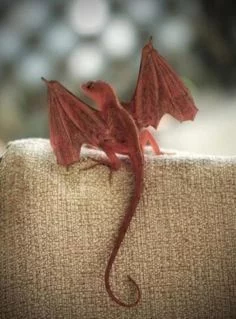
Custom Conjure Orphaned Baby Dragon
Sale: $10.00
Save: 94% off
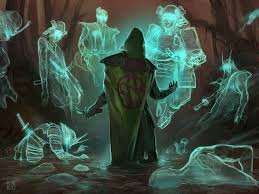

Featured [more]

Custom Conjure DA Black-Eyed Vampire
Sale: $10.00
Save: 94% off

Custom Conjure Bound DA Spirit or Entity
Sale: $10.00
Save: 94% off
Spirit Offerings That Build a Stronger Bond

A candle left beside a vessel, a small glass of fresh water, a spoken thank-you before sleep - spirit offerings are not about buying loyalty from your companions. They are intentional gestures that create space for reciprocity, attention, and a more conscious relationship with the spirits in your keep.
For some practitioners, offerings become a beloved daily ritual. For others, they are reserved for moon rites, anniversaries, requests for support, or moments when a companion’s presence feels especially close. There is no single altar setup that works for every keeper. The strongest offering practice is one built on respect, clear intention, and genuine energetic alignment.
What Are Spirit Offerings?
Spirit offerings are gifts, actions, sensations, or dedicated energies shared with a spirit companion, ancestral presence, deity, guide, or other nonphysical ally. They can be physical, such as flowers, incense, herbs, food, drink, crystals, and candles. They can also be experiential: playing a meaningful song, spending time in nature, creating art, lighting a ritual fire, or offering focused meditation.
The point is not the object alone. A beautiful dish of fruit placed on an altar without attention may hold less meaning than a quiet moment of gratitude offered with your full presence. Energy, intention, and consistency shape the ritual.
In spirit keeping, offerings can help you establish the rhythm of a relationship. They are a way of saying, “I recognize you. I welcome your presence. I am willing to participate.” This matters especially for beginners who may be learning to distinguish a companion’s energy, preferences, and methods of communication.
Why Offerings Matter in Spirit Keeping
A bound companion is not a decorative object, and a spirit relationship should not be treated like a transaction with guaranteed results. Offerings support the relational side of the practice. They invite you to slow down, check in, and become more aware of the energetic atmosphere you are creating around yourself and your home.
That does not mean every spirit requires elaborate ceremonies. Many companions respond beautifully to simple consistency. A protective guardian may appreciate a candle and a few moments spent renewing your wards. A dragon companion may enjoy fiery colors, sun-charged stones, music with a powerful pulse, or an altar kept with confidence and pride. A fae-aligned companion may respond to flowers, sweetness, natural objects, or creative play.
Preferences vary widely. Your own discernment, communication methods, and the information received through a personalized conjure should guide the details. If your companion has stated a preference, honor it when it is safe and practical. If you are unsure, begin with clean water, a candle, respectful words, and a calm invitation. Those foundations are suitable for many spiritual paths.
Choosing Spirit Offerings With Intention
The best offerings are not necessarily rare, expensive, or dramatic. Start by considering the nature of the being, the purpose of your relationship, and the energy you want to cultivate together.
A companion associated with healing may appreciate soothing scents, blue or green candles, peaceful music, or a ritual where you consciously release emotional heaviness. A prosperity-focused ally may enjoy coins, cinnamon, basil, gold-toned objects, or a dedicated action toward better financial habits. For a spirit aligned with justice or protection, you might offer a candle during a boundary-setting rite, a written declaration of truth, or time spent strengthening your personal protections.
Be mindful of correspondences, but do not become trapped by them. A red candle can be used for courage, passion, protection, vitality, or willpower depending on the work at hand. Let the offering carry a clear purpose rather than treating colors and ingredients as rigid rules.
Your personal relationship matters, too. If a particular song, scent, place, or ritual consistently brings a companion’s energy close, that is valuable information. Keep a journal of offerings, dreams, sensations, divination messages, and shifts in your space. Over time, patterns may emerge that help you create a more meaningful practice.
Physical Offerings and Energetic Offerings
Physical offerings give ritual a tangible anchor. Fresh water is one of the simplest and most versatile choices. Flowers, incense, tea, coffee, fruit, bread, sweets, herbs, oils, and candles are also common. If you offer food or drink, refresh it regularly and dispose of it respectfully according to your own tradition and household needs.
Energetic offerings can be especially powerful for keepers with limited space, curious family members, pets, allergies, or a discreet practice. You can offer breathwork, meditation, visualization, prayer, energy raised through dance, a portion of the peaceful energy from a bath ritual, or a moment of joyful celebration. Creative acts also carry potent current. Write a poem, make a piece of art, tend a plant, or create a playlist that honors the relationship.
A simple rule helps: never offer something that creates risk, violates your ethics, or leaves you depleted. Sacrifice is not the same as devotion. A healthy spirit-keeping practice should support your growth, not pressure you to ignore your wellbeing.
A Simple Ritual for Spirit Offerings
You do not need a formal temple room or a table covered in ritual tools. Begin where you are. Choose a clean, quiet area and set aside five to ten minutes when you will not be interrupted.
Place your offering before the vessel, altar space, or representation associated with your companion. Ground yourself with a few slow breaths. Then speak plainly. You might say that the offering is given in gratitude, in honor of your connection, or as an invitation for supportive presence in a specific area of life.
Avoid making desperate promises or demanding immediate proof. A respectful offering is freely given. If you are asking for help, be direct about the request while also taking responsibility for your own choices and actions. A prosperity ritual, for example, works best when paired with budgeting, applying for opportunities, or making practical decisions that support abundance.
Sit quietly afterward. Notice thoughts, emotions, bodily sensations, temperature changes, inner imagery, or the general feeling of the space. Do not force a message. Some connections are subtle, and discernment develops through patient repetition rather than one spectacular experience.
When you are finished, thank the spirit and close the ritual. Extinguish candles safely. Refresh water when needed. If food has been left out, remove it before it spoils. The practical care you give the physical space is part of the respect you bring to the spiritual one.
Boundaries, Consent, and Spiritual Discernment
Offerings should feel affirming, never coercive. You are allowed to set boundaries around what you will offer, how frequently you will practice, and what role spirit work has in your daily life. A trustworthy companion relationship does not require fear, obsession, financial strain, sleep deprivation, or isolation from the people and responsibilities that matter to you.
This is particularly relevant when working with darker-aligned energies or intense personalities. Dark Arts does not mean harmful, but it can call for stronger self-awareness, grounded rules, and mature communication. Be clear about your house rules. State what is welcome in your space, what is not, and how you expect all spiritual interactions to support your highest good.
If an offering practice begins to feel heavy, compulsive, or confusing, simplify it. Return to grounding, protection, journaling, and divination. Give yourself permission to pause. Your spiritual path is meant to expand your agency, not take it away.
Creating a Rhythm That Lasts
Consistency creates more depth than spectacle. Rather than planning a complicated ritual you can only sustain once a year, choose a rhythm that fits your actual life. You might refresh water every Sunday, light a candle on the new moon, offer incense during meditation twice a week, or reserve a monthly evening for deeper connection with your spirit family.
Some keepers enjoy creating separate spaces for different companions. Others prefer one shared altar where each spirit has a vessel, token, or designated place. Neither approach is automatically better. A shared altar can create a sense of household harmony, while separate spaces may help you focus on distinct energies and intentions.
As your practice evolves, your offerings will likely change. What began as a simple candle may grow into seasonal rites, dedicated devotional art, magical workings, or a more refined understanding of each companion’s preferences. Let the relationship reveal itself over time. At The Pagan Shop Online, individualized spirit work begins with the understanding that no two paths, and no two connections, are exactly alike.
Offer what you can give with an open heart, a clear mind, and steady respect. The most meaningful gift is not extravagance. It is your willingness to show up, listen closely, and let your spiritual practice become a living conversation.

Important Links
- Spirit Companion Codex
- The PaganShopOnline.com's Circle of Conjurors
- The PaganShopOnline.com's FAQ's
- Transparency in Spirit Conjuring: Ethics, AI and Integrity
- Spirit Matching Quiz ( Help Find the Best Beings for You)
- Pagan Shop Online Chatroom
- The Pagan Shop Online Forum
- ThePaganShopOnline's Blog
- The Conjuror’s Eye: An Exclusive Pagan Shop Experience
- The Conjuror's Deck: An Exclusive Pagan Shop Experience
- The Conjurors Insight: An Exlusive Pagan Shop Experience
- The Conjuror's Oracle: An Exclusive Pagan Shop Experience
- The Conjuror's Board: An Exclusive Pagan Shop Experience
- The Conjuror's Numerology Matrix An Exclusive PS Experience
- The Conjuror's Stones An Exclusive Pagan Shop Experience
- The Conjuror's Horoscope An Exclusive Pagan Shop Experience
- The Conjuror's Mirror A Exclusive Pagan Shop Experience
- The Conjuror's Dream Interpreter An Exclusive P. Shop Experience
- Sigil Maker
Reward Points
Log in to see how many reward points you have already earned
Sponsors
 |
Bestsellers
- In-Depth Reading of your spirit
- Free Luck of the Irish Good Luck...
- Free Add-On Spirit of your Choice/M...
- Custom Conjure Royal(Monarch)...
- Spirit Picture Upgrade From Basic...
- DA/WA Spirit/Entity Reverse...
- Custom Conjure Bound DA Spirit or...
- Ultimate Add On Spirit Package
- 3 body Binding Add-On Spirit,Astral...
- 2 body Spirit Binding