.png "July Sale")

Categories
- Billy Bladez Custom Conjure Ancient Civilizations
- Billy Bladez Custom Conjure Extraterrestrials
- Billy Bladez Custom Conjure Multi-Dimensionals
- Billy Bladez Custom Conjure Orphans
- Billy Bladez Custom Conjure Pre-Historics
- Billy Bladez Custom Conjure Spirits for the Youngsters
- Billy Bladez Custom Conjure Totem Animals
- Billy Bladez Custom Conjure Yokai
- Billy Bladez Custom Conjured Angels
- Billy Bladez Custom Conjured Black Arts Companions
- Billy Bladez Custom Conjured Creatures
- Billy Bladez Custom Conjured Demons
- Billy Bladez Custom Conjured Djinn
- Billy Bladez Custom Conjured Dragons
- Billy Bladez Custom Conjured Elementals
- Billy Bladez Custom Conjured Elves
- Billy Bladez Custom Conjured Fae
- Billy Bladez Custom Conjured Gifted Humans
- Billy Bladez Custom Conjured Mer-Folk and Sea and Water Spirits
- Billy Bladez Custom Conjured Non-Categorized Spirit Listings
- Billy Bladez Custom Conjured Portals to the Immortals
- Billy Bladez Custom Conjured Sexual Spirits
- Billy Bladez Custom Conjured Vampires
- Billy Bladez Custom Conjured Were-Creatures,Shifters and Hybrids
- Billy Bladez Exclusive Spirit Conjures
- Billy Bladez Multi Spirit Special Custom Listings
- Billy Bladez Pre-Conjured Black Arts Beings/Pics Included
- Billy Bladez Pre-Conjured WA/DA Companions w/ Pic Included
- Billy Bladez Pre-Done Astral Landscapes
- Billy Bladez Reiki Healing Services
- Billy Bladez Resellers Listings
- Billy Bladez Spirit Keeping Education Center & Resources
- Billy Bladez Spirit order Add-On Listings and Readings
- Billy Bladez Triad Spirit Listing
- Custom Conjures by Archelone AKA The Grey Mage
- Custom Conjures by Tizri
- Hand-Crafted Spelled Spirit Charging/Offering boxes
- Hecate's Mystical Boutique
- Pre-Conjure Reviews
- Support the Circle
- Tarot Readings by Moon Walker Master Tarot Reader
- The Complete Beginners Guide To Spirit Keeping by Billy Bladez
- Featured Products ...
- All Products ...
New Products [more]

Pre-Conjure Underworld Nymph
Sale: $6.00
Save: 96% off

Pre-Conjure Valkyrie
Sale: $6.00
Save: 96% off
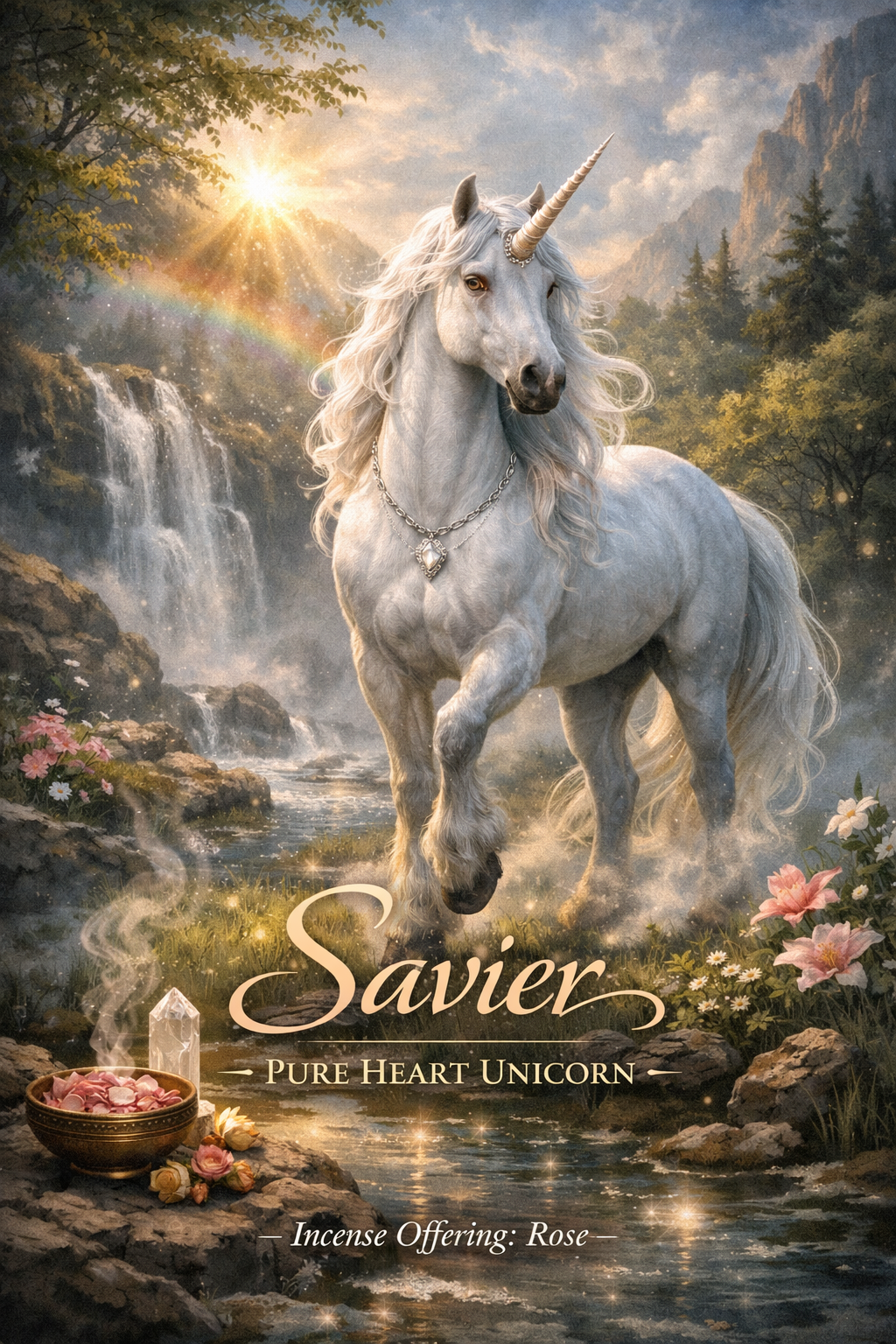
Pre-Conjure Unicorn
Sale: $6.00
Save: 96% off


Featured [more]

Custom Conjure DA Incubus Sex Spirit
Sale: $10.00
Save: 75% off

Custom Conjure Were-Horse Shifters
Sale: $10.00
Save: 80% off
Daemon Meaning in Spirit Work
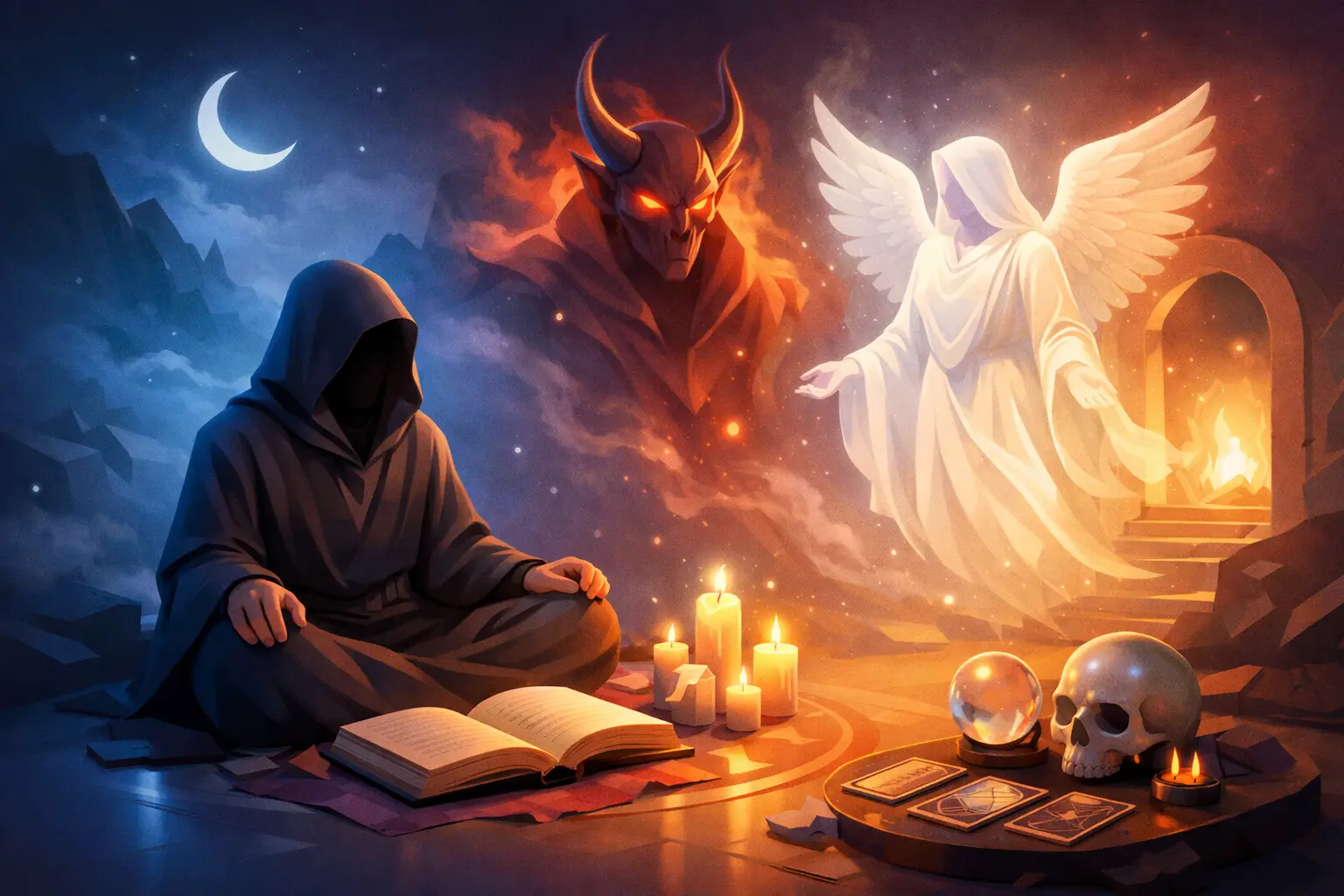
If you have spent any real time in occult spaces, you have seen the word daemon used with intention. Not as a typo. Not as aesthetic garnish. As a distinction. For many practitioners, daemon names a class of spirit or spiritual intelligence that carries depth, power, and agency without automatically fitting the fear-heavy baggage attached to the word demon in modern pop culture.
That distinction matters, especially for spirit keepers and magical practitioners who want clarity before inviting new energies into their practice. A daemon is not a cartoon villain, and it is not always interchangeable with every use of demon across religious, historical, and esoteric traditions. In spirit work, language shapes expectation, and expectation shapes experience.
What a daemon usually means
At its root, daemon points to a spiritual intelligence, intermediary force, or nonphysical being that influences, teaches, challenges, or guides. In older usage, the word could refer to a spirit that was not strictly evil or benevolent in a simplistic sense. It described a presence with power, personality, and function.
For modern practitioners, that older tone still carries weight. When someone says daemon, they are often signaling a more nuanced view. They may be referring to a being aligned with wisdom, hidden knowledge, personal power, shadow work, protection, or initiation. They may also be emphasizing that the spirit should be approached with respect rather than panic.
That does not mean every daemon is gentle, easy, or beginner-friendly. It means the category is wider than mainstream religion usually allows. Some daemonic beings feel stern. Some are fiercely protective. Some are catalytic and will bring buried truths to the surface fast. Others carry a regal, composed, almost ancient-teacher current that transforms a space the moment you connect.
Daemon vs demon in occult practice
This is where confusion usually starts. In everyday American language, demon almost always implies malevolence. In occult and spirit-keeping communities, the picture is more layered.
Some practitioners use daemon to separate spiritually complex beings from the flattened horror-movie version of demons. Others use demon and daemon somewhat interchangeably, depending on tradition, translation, and personal training. Neither approach is automatically wrong, but context matters.
If you are reading a listing, a conjuration description, or ritual guidance, pay attention to how the practitioner defines the term. One conjuror may use daemon to indicate a more classical or esoteric framing. Another may use demon because that is the established category in their current. The deeper question is not which spelling looks more mystical. The deeper question is what energetic profile, ethics, and magical function are actually being described.
A serious practitioner will understand that names carry currents. A serious buyer should want more than a label.
The energy of a daemon
A daemon often presents as intense, intelligent, and highly aware. Many people report an atmosphere that feels dense in a focused way, not chaotic. There can be a sense of presence that fills the room without scattering your attention. If angelic currents often feel radiant and uplifting, daemonic currents may feel grounding, commanding, and inwardly activating.
That energy can express in different ways depending on the being. Some daemons are associated with protection, banishing, justice, confidence, or strategic thinking. Others support sensuality, manifestation, magical discipline, divination, or psychic sharpening. Some are deeply helpful for shadow integration because they do not flinch from the parts of you that still need honesty.
This is why daemonic work attracts people who are ready for transformation rather than pure comfort. A daemon may not coddle your excuses. It may push you to become more sovereign, more discerning, and more accountable in your practice. For the right person, that feels empowering. For the wrong person, it can feel like too much too soon.
Are daemons safe to work with?
The honest answer is that it depends on the being, the conjuror, and the practitioner. Safety in spirit work is not about pretending every energy is the same. It is about discernment, boundaries, and proper matching.
A well-matched daemon companion can be stabilizing, protective, and deeply beneficial. A poor match, rushed conjure, or careless approach can create overwhelm, fear responses, obsession, or energetic friction. That is not unique to daemons, but daemonic currents tend to amplify what is already there. If your boundaries are weak, your expectations are chaotic, or your reasons for connecting are performative, that usually surfaces quickly.
This is one reason practitioner-led matching matters. In a serious metaphysical setting, the goal is not to treat a daemon like a novelty purchase. The goal is to identify whether this current aligns with your energy, your experience level, and your spiritual goals. Sometimes the right answer is yes. Sometimes the right answer is not yet.
Who is drawn to a daemon companion?
Not everyone seeking spirit companionship is looking for the same thing. Some want gentle emotional support. Some want prosperity work. Some want protective guardians. People drawn to a daemon often want depth, edge, and movement.
They may be in a season of reclaiming personal power. They may be doing shadow work after a life transition, a betrayal, or spiritual stagnation. They may want a companion who strengthens psychic perception, ritual authority, or energetic defense. Experienced keepers are often drawn to daemons because they appreciate directness. Beginners can be drawn as well, but they usually benefit from guidance, realistic expectations, and a proper energetic fit.
The key is motive. If the attraction comes from genuine resonance, respect, and readiness, a daemonic connection can become profoundly meaningful. If it comes from shock value or the desire to look dark and powerful, the relationship usually starts on unstable ground.
Signs a daemon may be reaching out
Daemonic contact does not always arrive as dramatic paranormal theater. Sometimes it shows up as repeated symbols, a sudden pull toward certain sigils or names, vivid dream contact, a magnetic pressure in meditation, or a persistent sense that a particular current is calling your attention.
You may notice a stronger interest in personal boundaries, truth-telling, occult study, ritual discipline, or justice-oriented magic. You may feel less tolerant of energetic clutter. Some practitioners report heat, pressure in the third eye, a sense of being watched in a protective rather than predatory way, or a commanding presence during spellwork.
Still, discernment comes first. Not every intense dream is a daemon. Not every shadowy meditation image is a calling. This is where divination, conjuror insight, and personal grounding become essential.
Working with a daemon well
If you are called toward this path, approach it like a relationship, not a thrill ride. Respect, consent, and structure matter. A daemon is not there to entertain your curiosity for a weekend. It is a spiritual intelligence deserving clear intention and consistent engagement.
Start by being honest about your goals. Do you want protection, magical mentorship, confidence, justice support, deeper psychic senses, or transformation through shadow work? Different beings carry different specialties. When the match is clear, the connection is often smoother.
Create a steady spiritual routine. That can mean meditation, offerings, journaling, divination, and simple house rules. Speak clearly. Follow through. Notice how your energy shifts over time rather than forcing immediate manifestations. Strong spirits often work in layers.
It also helps to release the idea that dark energy automatically means harmful energy. In many magical systems, darkness is tied to mystery, depth, the hidden, the lunar, the chthonic, and the fertile unknown. A daemon may operate in that current without being hostile. At the same time, respect the fact that intense does not mean casual.
Why the word daemon still matters
The word remains useful because it makes room for complexity. It reminds practitioners that spiritual beings cannot always be sorted into childish categories of nice or evil. Some spirits challenge. Some protect through pressure. Some teach by exposing illusion. Some carry ancient authority that does not translate neatly into modern religious language.
For spirit keepers, using the word daemon can also signal a more thoughtful approach to conjuration and companionship. It points away from panic and toward discernment. It asks better questions. What is this being’s nature? What is its role? How does it interact with human practitioners? What kind of match creates real benefit instead of avoidable chaos?
At The Pagan Shop Online, that kind of discernment is part of the deeper path. A spiritual companion should feel aligned, not random.
If the word daemon has been stirring something in you, treat that interest with respect. Study the current, listen to your intuition, and seek a match that honors both your power and your boundaries. The right connection does not just feel intense. It feels true.

Important Links
- Spirit Companion Codex
- The PaganShopOnline.com's Circle of Conjurors
- The PaganShopOnline.com's FAQ's
- Transparency in Spirit Conjuring: Ethics, AI and Integrity
- Spirit Matching Quiz ( Help Find the Best Beings for You)
- Pagan Shop Online Chatroom
- The Pagan Shop Online Forum
- ThePaganShopOnline's Blog
- The Conjuror’s Eye: An Exclusive Pagan Shop Experience
- The Conjuror's Deck: An Exclusive Pagan Shop Experience
- The Conjurors Insight: An Exlusive Pagan Shop Experience
- The Conjuror's Oracle: An Exclusive Pagan Shop Experience
- The Conjuror's Board: An Exclusive Pagan Shop Experience
- The Conjuror's Numerology Matrix An Exclusive PS Experience
- The Conjuror's Stones An Exclusive Pagan Shop Experience
- The Conjuror's Horoscope An Exclusive Pagan Shop Experience
- The Conjuror's Mirror A Exclusive Pagan Shop Experience
- The Conjuror's Dream Interpreter An Exlusive P. Shop Experience
Reward Points
Log in to see how many reward points you have already earned
Sponsors
 |
Bestsellers
- In-Depth Reading of your spirit
- Free Luck of the Irish Good Luck...
- Free Add-On Spirit of your Choice/M...
- Custom Conjure Royal(Monarch)...
- Spirit Picture Upgrade From Basic...
- DA/WA Spirit/Entity Reverse...
- Custom Conjure Bound DA Spirit or...
- Ultimate Add On Spirit Package
- 3 body Binding Add-On Spirit,Astral...
- 2 body Spirit Binding
Who's Online
1 member online.